
Common Electrical Issues in Your Home Explained
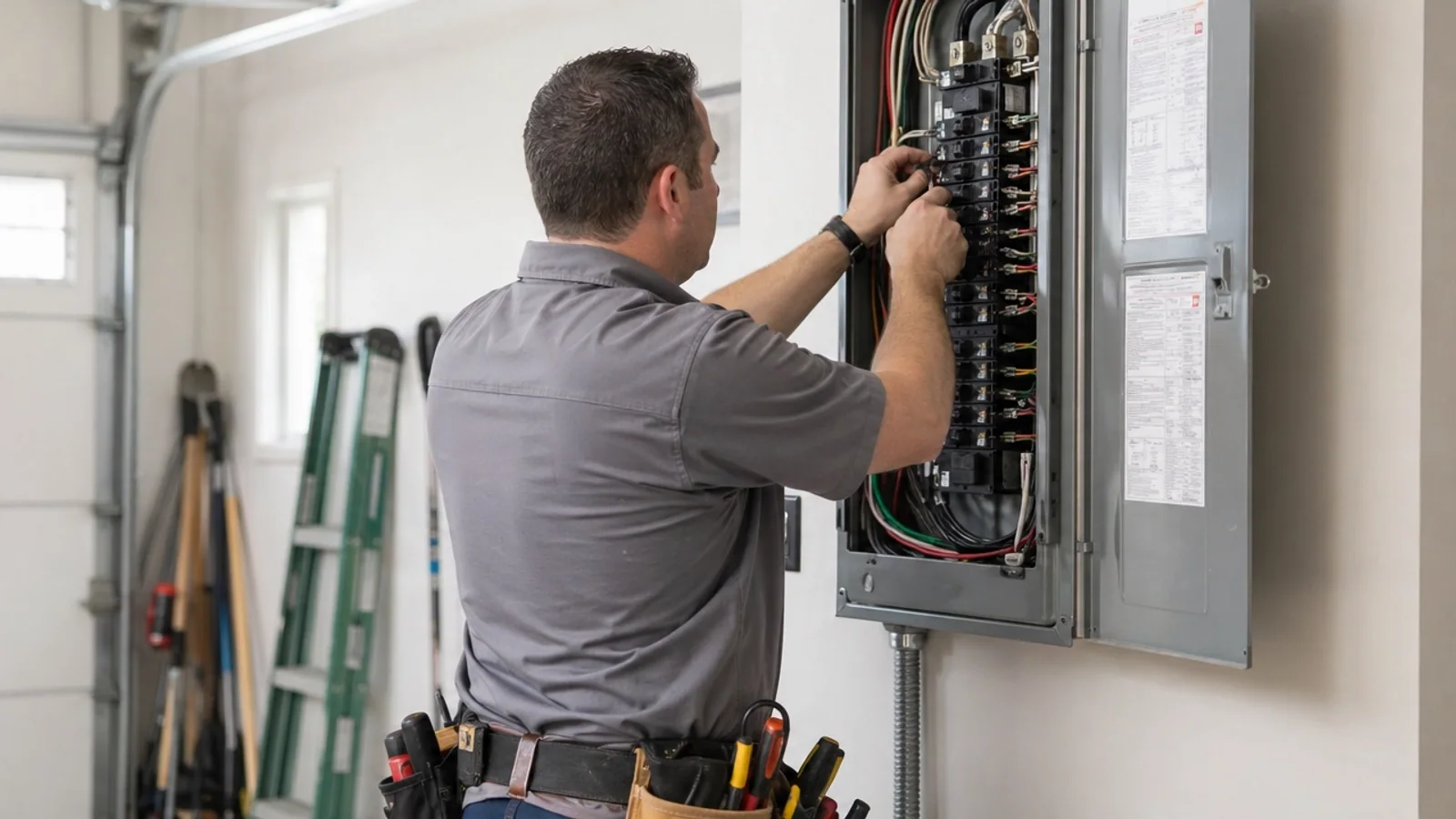
From tripping breakers to flickering lights, home electrical issues can signal anything from a nuisance overload to a wiring fault that deserves a licensed look. Pacific Home Electric is a Puyallup-based crew offering electrical repairs and troubleshooting throughout Pierce and King County, including homes in Tacoma. The sections below explain common symptoms, safe steps you can take, and when to schedule a professional visit.
Why Does My Circuit Breaker Keep Tripping?
A circuit breaker trips when it detects an overload or fault in the electrical system, cutting off power to prevent damage or fire. Understanding the reasons behind these trips can help homeowners troubleshoot effectively. Common causes include overloaded circuits, short circuits, and ground faults, each requiring different approaches for resolution. Knowing how to identify these issues can save time and ensure safety when dealing with electrical systems.
What Are the Common Causes of Breaker Trips?
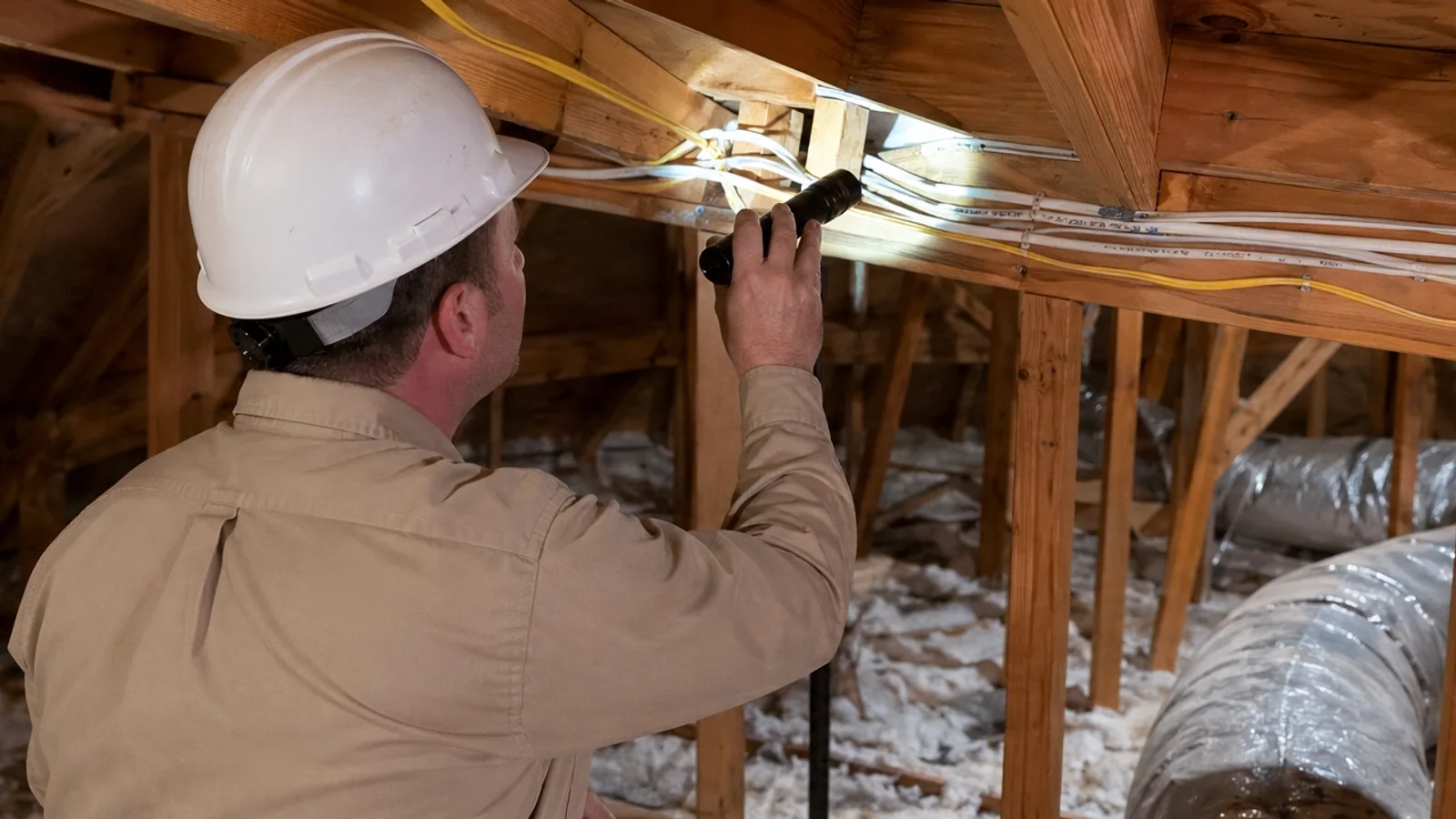
Breaker trips can occur due to several reasons:
- Overloaded Circuits: When too many devices draw power from a single circuit, it can exceed the circuit's capacity, causing the breaker to trip.
- Short Circuits: This happens when a hot wire touches a neutral wire, creating a direct path for electricity that can lead to overheating and tripping.
- Ground Faults: Ground faults occur when a hot wire touches the ground or a grounded part of the system, which can also trigger a trip.
Identifying these causes is crucial for effective troubleshooting and ensuring the safety of your electrical system.
How Can I Safely Reset a Tripped Breaker?
Resetting a tripped breaker is a straightforward process, but safety is paramount. Here’s how to do it:
- Locate the Breaker Panel: Find the main electrical panel in your home, usually located in a basement, garage, or utility room.
- Identify the Tripped Breaker: Look for the breaker that is in the "off" position or is not aligned with the others.
- Reset the Breaker: Flip the tripped breaker to the "off" position and then back to "on." If it trips again, there may be a more serious issue that requires professional help.
Understanding how to reset a breaker can help you manage minor electrical issues without panic.
What Causes Flickering Lights and How Can I Fix Them?
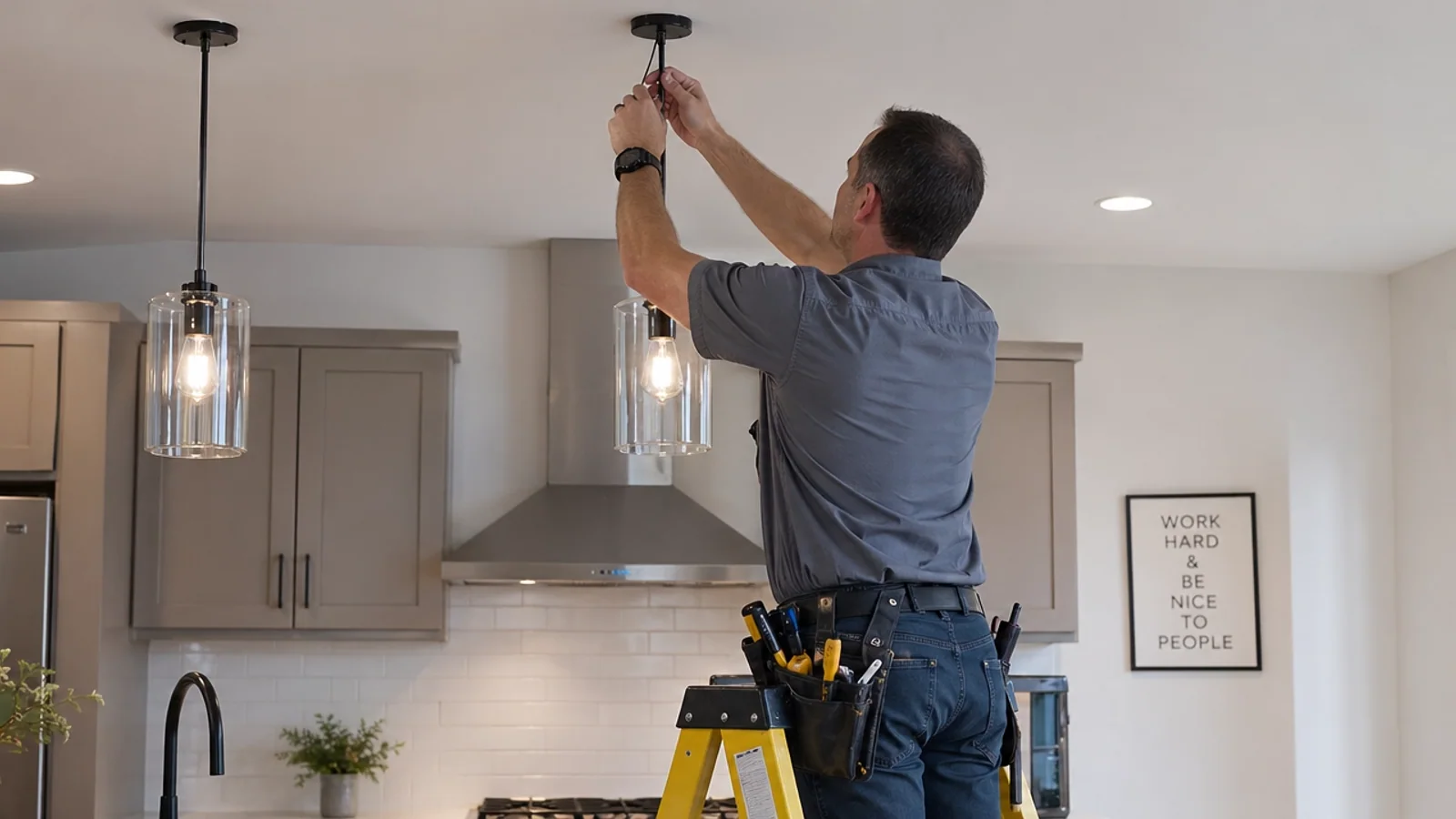
Flickering lights can be more than just an annoyance; they may indicate underlying electrical problems. Common causes include loose wiring, faulty bulbs, and overloaded circuits. Addressing these issues promptly can prevent further complications and ensure a stable electrical supply. For consistent lighting and power, it's essential to have a well-maintained electrical system.
How Does Loose Wiring Lead to Flickering Lights?
Loose wiring can create intermittent connections, causing lights to flicker. Symptoms of loose wiring include:
- Inconsistent Brightness: Lights may dim or brighten unexpectedly.
- Buzzing Sounds: A buzzing noise from fixtures can indicate poor connections.
- Frequent Bulb Burnouts: If bulbs burn out quickly, it may signal wiring issues.
To resolve this, inspect connections and tighten any loose wires. If the problem persists, consulting a professional electrician is advisable.
When Should I Call a Professional for Flickering Light Issues?
While some flickering light issues can be resolved easily, certain signs indicate the need for professional assistance:
- Frequent Flickering: If lights flicker regularly, it may suggest a more serious electrical problem.
- Buzzing Sounds: Persistent buzzing can indicate loose wiring or overloaded circuits.
- Warm Switches: If switches feel warm to the touch, it’s crucial to seek professional help immediately.
Recognizing these signs can help prevent potential hazards in your home.
How Do I Troubleshoot Electrical Outlets That Are Not Working?
Non-working outlets can disrupt daily activities and may indicate underlying electrical issues. Troubleshooting these outlets involves identifying signs of faulty or damaged outlets and understanding the role of Ground Fault Circuit Interrupters (GFCIs).
What Are the Signs of Faulty or Damaged Electrical Outlets?
Identifying faulty outlets is essential for safety. Look for these signs:
- Burn Marks: Discoloration around the outlet can indicate overheating.
- Loose Connections: If plugs fall out easily, the outlet may be damaged.
- Inconsistent Power: Outlets that provide intermittent power can signal internal issues.
If you notice any of these signs, it’s best to consult a professional electrician for repairs.
How Do Ground Fault Circuit Interrupters Affect Outlet Function?
GFCIs are designed to protect against electrical shock by cutting off power when they detect an imbalance in electrical flow. They are commonly found in areas with moisture, such as kitchens and bathrooms. Understanding how GFCIs work can help you troubleshoot outlet issues effectively:
- Function of GFCIs: They monitor the flow of electricity and trip when they detect a fault.
- Importance in Safety: GFCIs significantly reduce the risk of electrical shock.
- Resetting GFCIs: If a GFCI trips, it can be reset by pressing the reset button on the outlet.
Knowing how to work with GFCIs can enhance your home’s electrical safety.
How Can I Ensure Electrical Safety and Prevent Common Home Electrical Issues?
Maintaining electrical safety in your home is crucial for preventing accidents and ensuring efficient operation. Regular maintenance and awareness of electrical systems can help you avoid common issues. Proper electrical maintenance is key to preventing these problems.
What Are the Best Practices for Home Electrical Maintenance?
Implementing regular maintenance practices can significantly enhance electrical safety:
- Inspect Wiring: Regularly check for signs of wear or damage in wiring.
- Test GFCIs: Monthly testing of GFCIs ensures they function correctly.
- Hire Professionals: For any electrical work, hiring a licensed electrician is essential for safety.
These practices can help maintain a safe electrical environment in your home.
How Do Updated Electrical Codes Impact Residential Safety?
Staying informed about updated electrical codes is vital for ensuring safety. Recent changes in codes often reflect advancements in technology and safety standards. Understanding these updates can help homeowners:
- Overview of Recent Changes: Familiarize yourself with local code updates to ensure compliance.
- Impact on Safety: Updated codes often enhance safety measures, reducing risks.
- Compliance Importance: Adhering to codes is not only a legal requirement but also a safety necessity.
Keeping up with electrical codes can help you maintain a safe and compliant home.
| Maintenance Practice | Description | Frequency |
|---|---|---|
| Inspect Wiring | Check for wear and damage | Annually |
| Test GFCIs | Ensure proper function | Monthly |
| Hire Professionals | For repairs and installations | As needed |
Need a Licensed Electrician in Pierce or King County?
Tell us what you are seeing — photos welcome. We respond with clear next steps and a written estimate before work starts.